Understanding Breach of Contract and Your Remedies
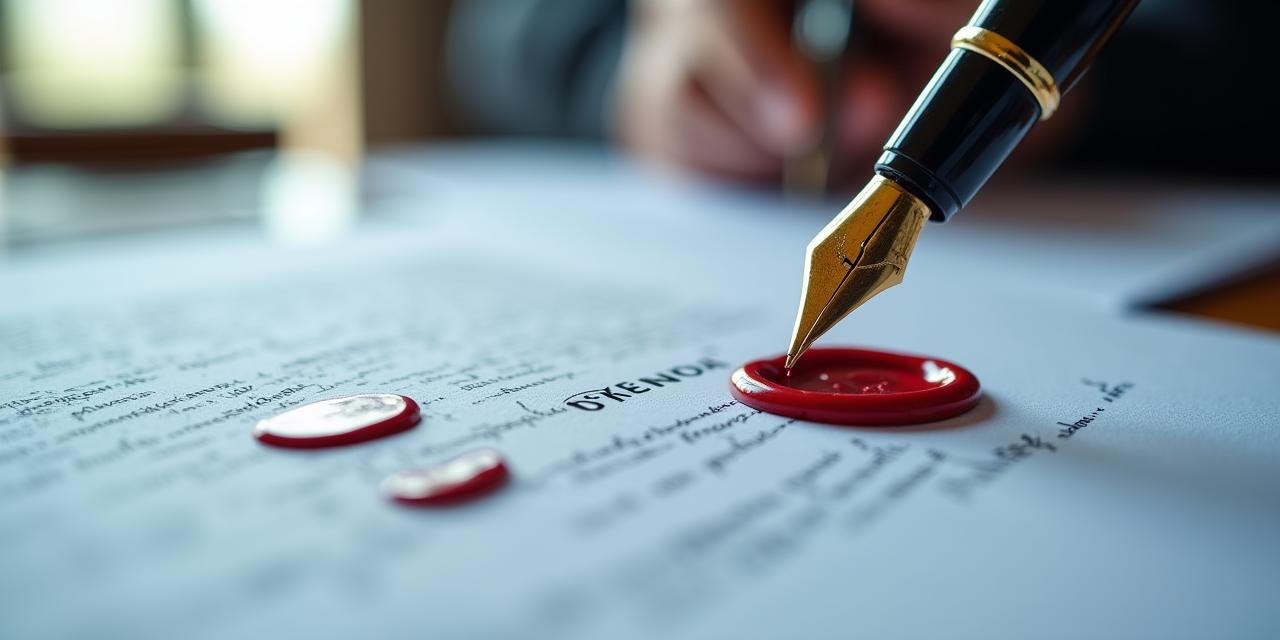
A contract is the backbone of business commerce, but what happens when the promises made are broken? Under UK law, a breach of contract occurs when one party fails to fulfill their legal obligations as set out in the agreement.
Material vs. Minor Breaches
Not all breaches are created equal. Understanding the classification of a breach determines your legal rights and the potential for contract termination.
Minor (Actual) Breach
Also known as a partial breach, this occurs when one party fails to perform some part of their obligation, but the essential purpose of the contract still exists. The innocent party can sue for damages but must still perform their part of the deal.
Material (Fundamental) Breach
This is a failure so significant that it strikes at the very heart of the agreement. It renders the contract irreparably broken, permitting the innocent party to terminate the contract and seek substantial damages.
Anticipatory Breach
An anticipatory breach occurs when a party clearly demonstrates—through words or actions—that they do not intend to fulfill their upcoming obligations. In these instances, you do not have to wait for the actual failure to occur before seeking legal remedy. Acting swiftly is crucial to mitigating your losses.

Available Legal Remedies
Damages
Monetary compensation designed to put the innocent party back in the position they would have been in had the contract been performed.
Specific Performance
A court order requiring the breaching party to actually carry out their obligations under the contract.
Cancellation & Restitution
Terminating the contract entirely and returning both parties to their original pre-contractual positions.
Steps to Take if You Are Facing a Breach
-
1
Review the Agreement: Carefully check all clauses, including force majeure and dispute resolution protocols.
-
2
Document Everything: Keep detailed records of communications (emails, letters) and evidence of non-performance.
-
3
Mitigate Losses: You have a legal duty to take reasonable steps to prevent further financial loss.
-
4
Seek Legal Counsel: Contact a specialist commercial solicitor to assess your claim and initiate formal action.